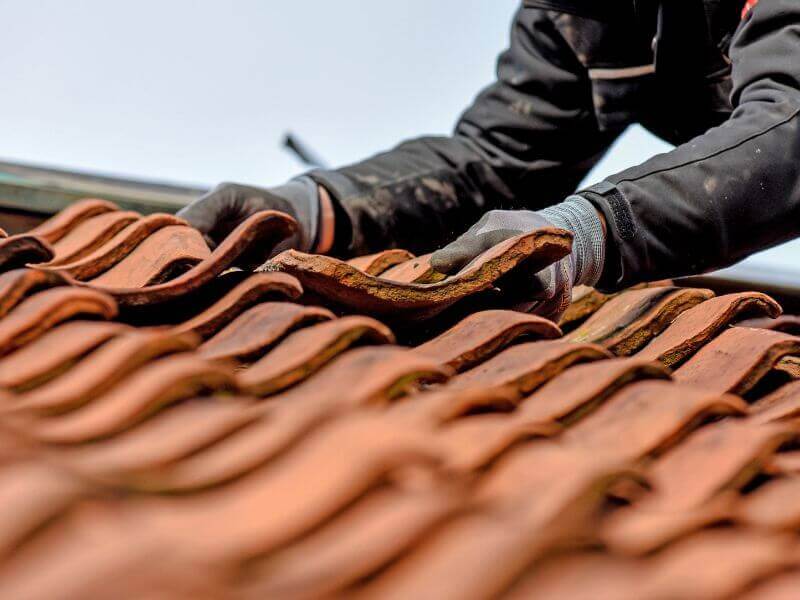
If you’re considering a career in roofing, understanding roofing standards and compliance is critical. Standards keep projects safe, protect homeowners, and ensure that roofs perform as intended. By learning these concepts, you’ll be setting yourself up for success.
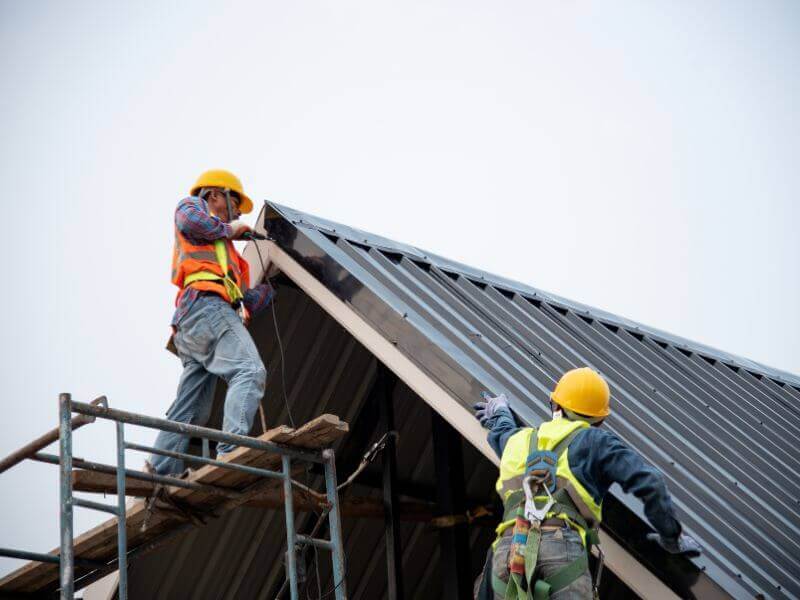
Understanding Roofing Standards
Roofing standards are official guidelines that set the minimum requirements for how roofs should be designed, built, and maintained. These standards help ensure safety, durability, and efficiency. By following roofing standards, roofers and contractors avoid costly mistakes and provide long-lasting protection for homes and buildings.
Standards come from organizations like ASTM International, local building departments, and professional roofing organizations. They cover things like material performance to ensure shingles, tiles, and membranes can handle weather conditions and normal wear. Structural integrity is important to ensure that roofs can withstand heavy snow, winds, and other factors. Installation methods are also monitored to ensure that proper fastening, sealing, and flashing techniques are used to prevent leaks and failures.
Importance of Roofing Standards and Compliance in Roofing Projects
When roofers ignore or misunderstand standards, it can lead to serious problems. Non-compliance may result in:
- Failed Inspections. Roofs that don’t meet local codes can fail inspections, delaying projects and adding unexpected costs.
- Voiding Warranties. Many manufacturers require proper installation to keep warranties valid.
- Safety Hazards. Incorrect installation can put workers and occupants at risk due to leaks, collapses, or fire hazards.
- Legal and Financial Penalties. Homeowners and contractors may face fines or lawsuits if the roof fails and causes damage or injuries.
On the other hand, complying with roofing standards ensures peace of mind for clients while enhancing the roofer’s reputation and long-term business success.
Safety Roofing Standards Every Aspiring Roofer Should Know
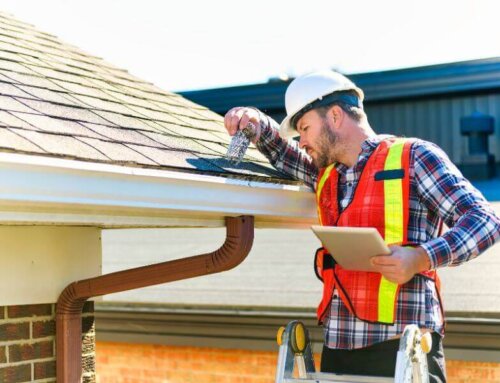
Safety is a core aspect of roofing standards. Roofers work at heights, often on steep or slippery surfaces, so it’s essential to follow safety guidelines. Some important safety standards include:
- Fall Protection. OSHA requires fall protection for anyone working at heights over six feet. This can include guardrails, safety nets, or personal fall arrest systems.
- Proper Ladder Use. Roofers need to know how to secure and angle ladders correctly to prevent falls.
- Weather Considerations. Roofers should avoid working in high winds or storms, as these conditions greatly increase the risk of accidents.
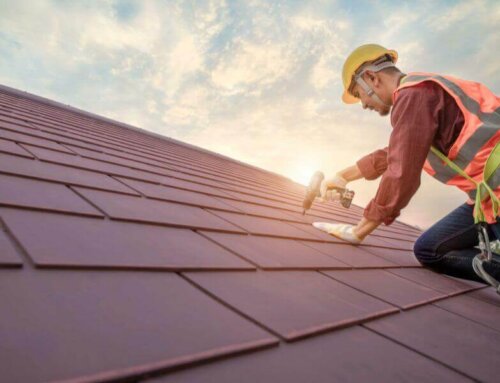
- Personal Protective Equipment (PPE). Helmets, gloves, non-slip boots, and harnesses help prevent injuries on the job.
If you plan to become a licensed roofer, your license exam and coursework will cover these safety standards in detail. Roofing prep courses are designed to make sure you understand how to build a roof safely.
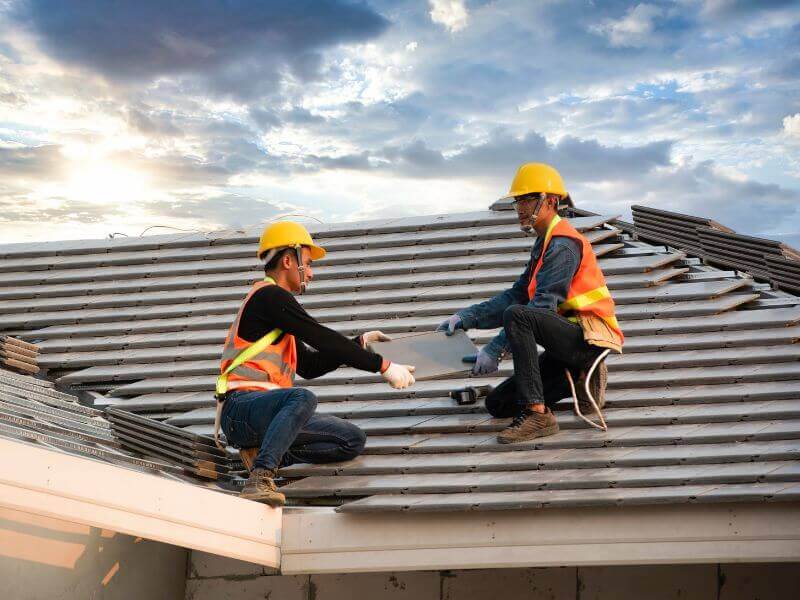
How to Ensure Your Roofing Materials Meet the Roofing Standards
Using quality materials is only part of the job. Those materials also need to meet specific standards. To make sure your materials comply, always check certifications and look for products that meet standards set by ASTM, the American Society for Testing and Materials, or other recognized organizations.
Work with trusted suppliers who provide materials that have been properly tested and approved. It’s also important to stay updated on changes as standards evolve over time. Using outdated or non-compliant products can lead to major problems.
When preparing for your roofing license exam, you’ll learn about these standards and how to select the right materials for different projects. This will help you avoid costly errors and ensure every roof performs as expected.
The Role of Licensed Roofers in Maintaining Compliance
Licensed roofers play a vital role in upholding roofing standards and compliance. They have the training to interpret complex codes and regulations. They also know how to choose the proper materials and techniques for each unique project. Licensed roofers can educate homeowners about maintenance and warranty requirements. They are also responsible for overseeing crews to make sure work is done safely and to code.
Becoming a licensed roofer shows clients you’re serious about doing things the right way. It gives them confidence that their investment is protected. Preparing for your roofing license exam with a dedicated prep course can make this journey easier. A good prep course focuses on what you need to know for the exam as well as real-world best practices for compliance and safety.
Navigating Local Building Codes and Roofing Standards Regulations
In addition to national standards, roofers must comply with local building codes. These codes vary by city or county and may include:
- Structural Requirements. Local areas may have different rules about load capacities depending on climate conditions.
- Fire Safety Standards. In wildfire-prone regions, certain materials and designs may be required.
- Energy Efficiency Requirements. Some places require reflective or insulated materials to improve energy performance.
- Permit Rules. Many jurisdictions require a permit for roofing work. Licensed roofers are often the only ones allowed to pull these permits.
Because local codes are subject to change over time, it’s essential to stay informed. Licensed roofers typically have access to code updates and ongoing continuing education to stay current with industry standards.

Common Roofing Code Violations and Adhering to Roofing Standards
Even experienced contractors sometimes make mistakes when it comes to roofing codes. Some common violations include:
1. Improper Fastening. Using the wrong number or type of nails can cause shingles to blow off or leak.
2. Incorrect Flashing Installation. Flashing prevents water from seeping into vulnerable areas. Poor installation is a frequent cause of roof leaks.
3. Inadequate Ventilation. Not allowing for proper airflow can cause moisture buildup and reduce the lifespan of the roof.
4. Failing to Follow Manufacturer Instructions. Deviating from guidelines can void warranties and lead to failures.
Avoiding these violations starts with education and proper training. By mastering the standards before stepping onto a roof, you protect yourself, your clients, and your business.
Get Ready to Master Roofing Standards
If you’re serious about becoming a licensed roofer and want to master roofing standards and compliance, a roofing exam prep course is one of the best investments you can make. These courses help you understand what’s on the licensing exam and teach you real-world skills that set you apart in the field.
You’ll gain the confidence and knowledge needed to build safe, code-compliant roofs that stand the test of time. If you need help getting started or have any questions, reach out to John directly at (708) 773-7713.
Frequently Asked Questions